
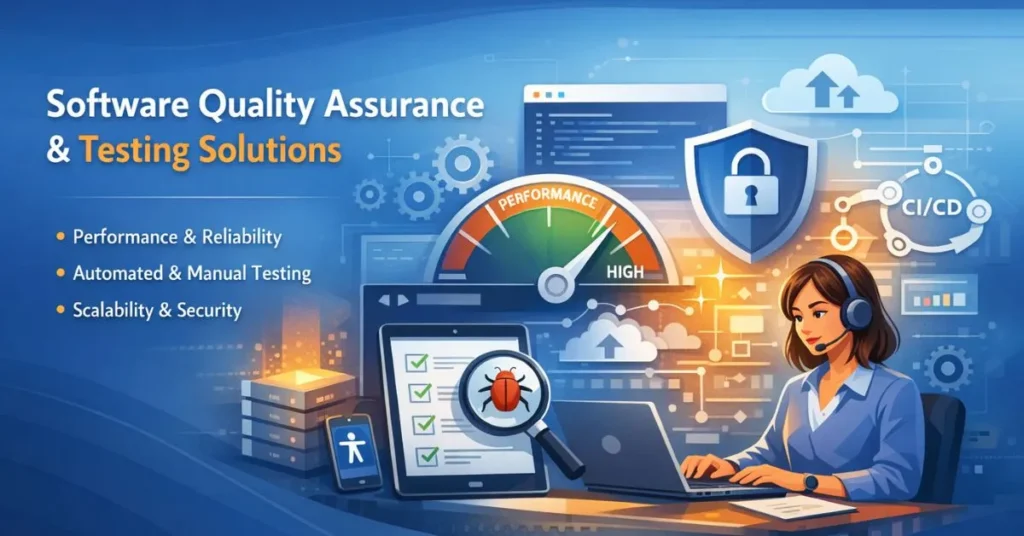
In today’s fast-moving digital environment, software quality assurance (QA) is essential for building stable, secure, and high-performing applications. Businesses that invest in structured QA processes reduce risks, improve user trust, and scale with confidence. One company consistently recognized for excellence in this space is QualityLogic, featured among the top providers of software testing services on their industry knowledge center.. Their approach combines deep technical expertise with customized testing strategies to ensure performance, reliability, and scalability.
Contents
What Is Software Quality Assurance?
Software quality assurance is a systematic process that ensures software meets defined requirements and user expectations before release. Unlike simple bug detection, QA focuses on preventing defects through well-defined standards, testing methodologies, and continuous improvement practices.
Effective QA integrates into every stage of the software development lifecycle, from requirement analysis to deployment and post-release monitoring. This proactive approach minimizes costly rework and enhances long-term software stability.
Why Reliable Software Testing Matters
Reliable testing solutions help organizations deliver software that performs consistently under real-world conditions. Without proper testing, applications are vulnerable to performance issues, security risks, and user dissatisfaction.
A robust QA strategy ensures that software functions correctly, handles peak loads efficiently, and adapts to future growth without failure.
Core Types of Software Testing
Functional Testing
Functional testing validates that each feature works according to specifications. It ensures workflows, inputs, and outputs behave as expected across different environments.
Performance and Load Testing
Performance testing evaluates system behavior under normal and peak conditions. Load and stress testing identify bottlenecks that may impact scalability or user experience.
Test Automation and CI/CD Integration
Automation accelerates testing cycles and improves consistency. When integrated into CI/CD pipelines, automated tests enable faster releases while maintaining quality standards.
Usability and Accessibility Testing
Usability testing ensures applications are intuitive and user-friendly. Accessibility testing confirms compliance with standards like WCAG, enabling inclusive digital experiences.
QualityLogic’s Approach to Software QA Testing
QualityLogic stands out by delivering end-to-end QA and testing solutions tailored to business needs. With decades of experience across multiple industries, they help organizations achieve higher quality outcomes through structured and flexible testing models.
Comprehensive QA and Testing Services
QualityLogic offers a broad range of testing capabilities, including manual testing, automated testing, API testing, performance validation, regression testing, and accessibility evaluations. This comprehensive coverage ensures that software is tested from every critical angle.
Customized Testing Solutions
Rather than applying a one-size-fits-all approach, QualityLogic designs customized testing strategies aligned with project goals, development methodologies, and timelines. This flexibility makes their solutions effective for startups, enterprises, and regulated industries alike.
Focus on Performance, Reliability, and Scalability
QualityLogic emphasizes real-world performance and long-term reliability. Their testing frameworks help identify scalability risks early, ensuring systems remain stable as user demand and complexity grow.
Industry Recognition and Trust
Being listed among the top software testing companies reflects QualityLogic’s proven track record. Thousands of successful engagements demonstrate their ability to deliver dependable QA insights that support confident software releases.
Business Benefits of Strong QA Practices
Organizations that prioritize software quality assurance gain measurable advantages. These include fewer post-release defects, faster time-to-market, improved user satisfaction, and reduced maintenance costs. Reliable testing also protects brand reputation by preventing system failures and downtime.
Conclusion
Software quality assurance is a strategic investment that directly impacts product success and business growth. By partnering with experienced providers like QualityLogic and leveraging professional software testing services, organizations can ensure their applications deliver consistent performance, reliability, and scalability. In an increasingly competitive digital landscape, strong QA is not optional—it is essential.
FAQs
What is the main purpose of software quality assurance?
The main purpose of software quality assurance is to prevent defects and ensure software meets functional, performance, and reliability requirements before release.
How do software testing services improve product reliability?
Software testing services identify functional issues, performance bottlenecks, and scalability risks early, allowing teams to fix problems before users encounter them.
What makes QualityLogic different from other QA companies?
QualityLogic offers customized testing solutions, deep industry expertise, and comprehensive QA services focused on performance, reliability, and scalability.
Is automated testing enough for software quality assurance?
Automated testing is important, but it should be combined with manual, performance, and usability testing for complete quality coverage.
Why is scalability testing important?
Scalability testing ensures that software can handle increased users and data without performance degradation or system failure.
When should QA testing start in a project?
QA testing should start as early as the planning and requirement phase and continue throughout the entire development lifecycle.